Observe
What can we see directly?
Participants examine the landscape, ecosystem or community closely and identify the details that matter to the circuit’s central question.
Field expeditions where geology, ecology, communities and resilience become subjects participants can see, question and understand.
Design an expedition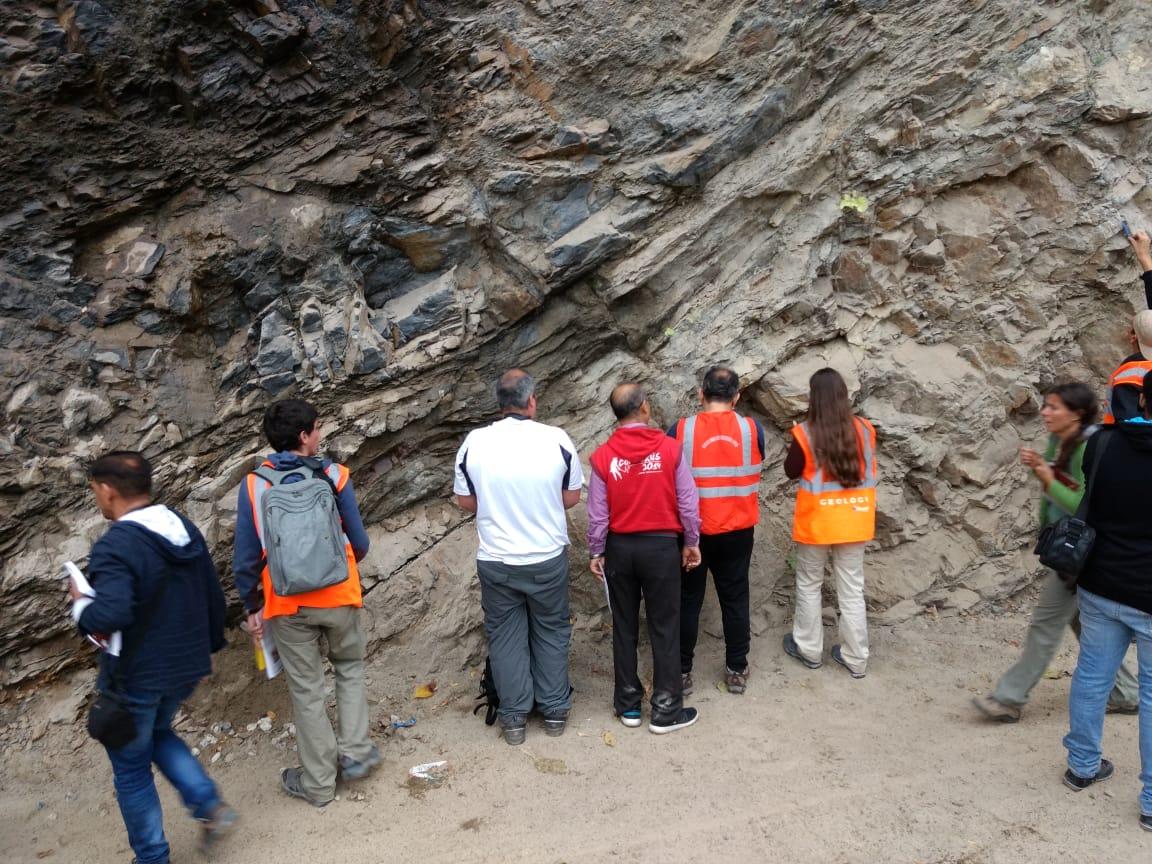
EXPEDITION STRUCTURE
Choose a portfolio to explore its central question, learning outcome and four focused circuits.
Portfolio
Read one of the youngest mountain systems on Earth through rock, rivers, glaciers and the communities living with active geology.
CIRCUIT 01
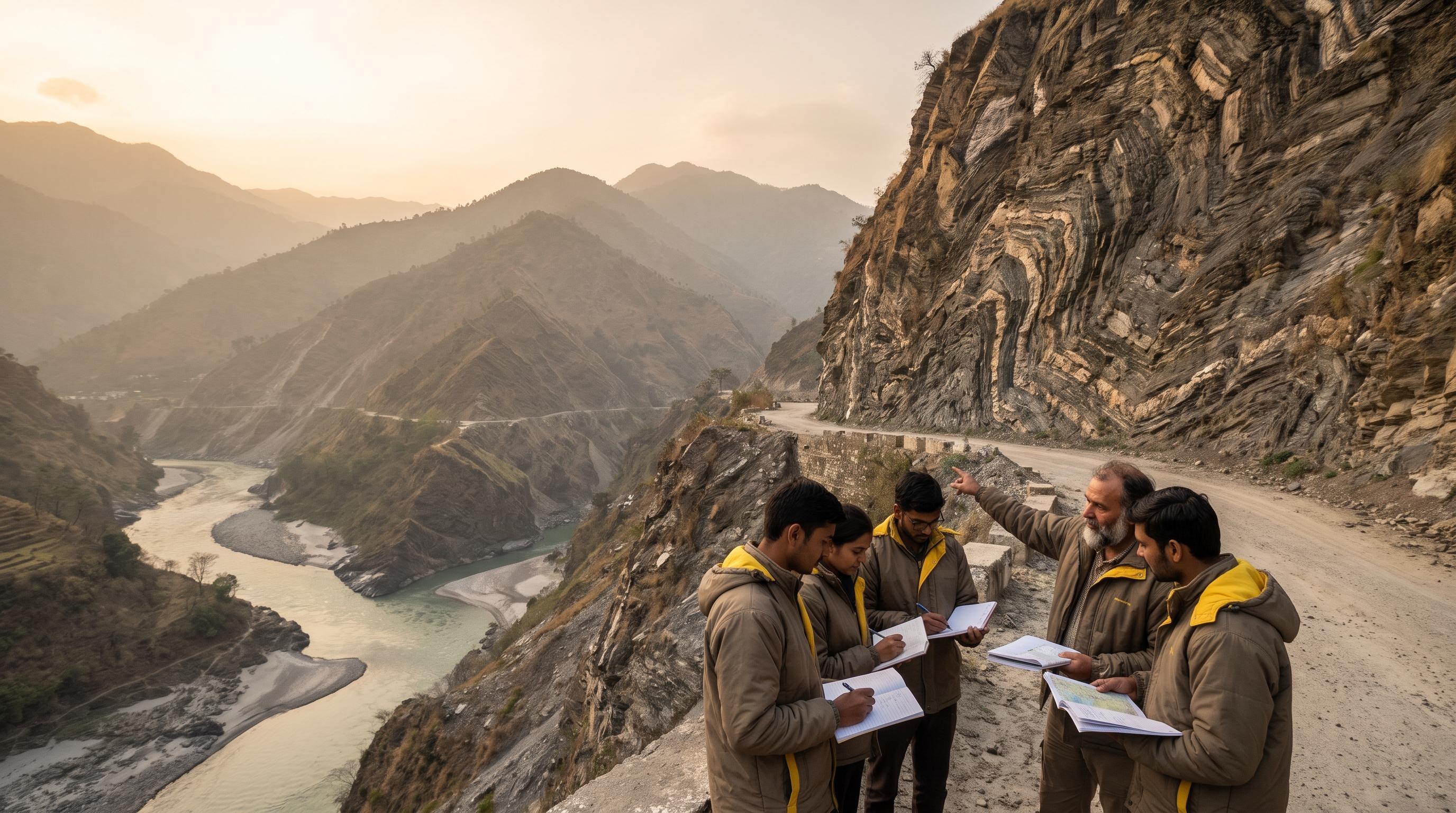
How did one of Earth’s youngest mountain systems take shape?
Follow folded rock, river valleys and active landscapes to understand the forces that built the Himalayas and continue to reshape them.
Route: Dehradun to Devprayag, Rudraprayag and Joshimath
CIRCUIT 02
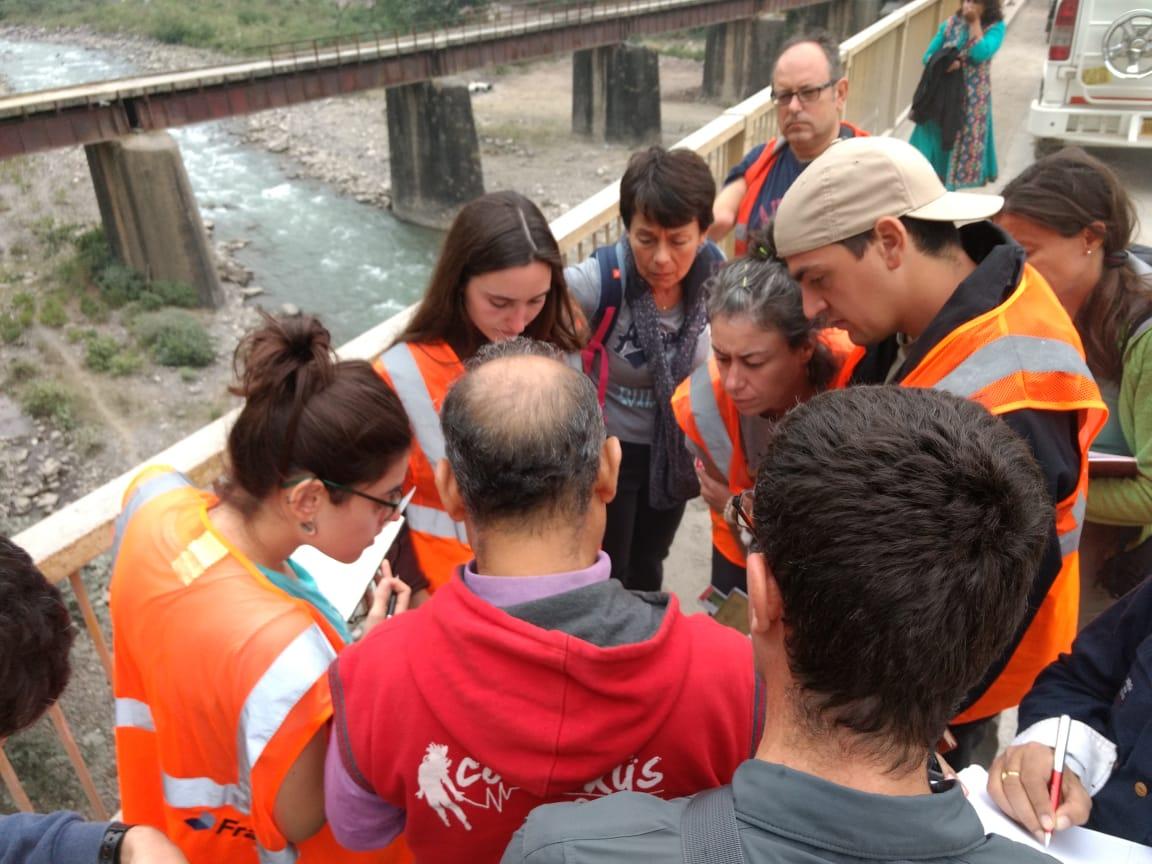
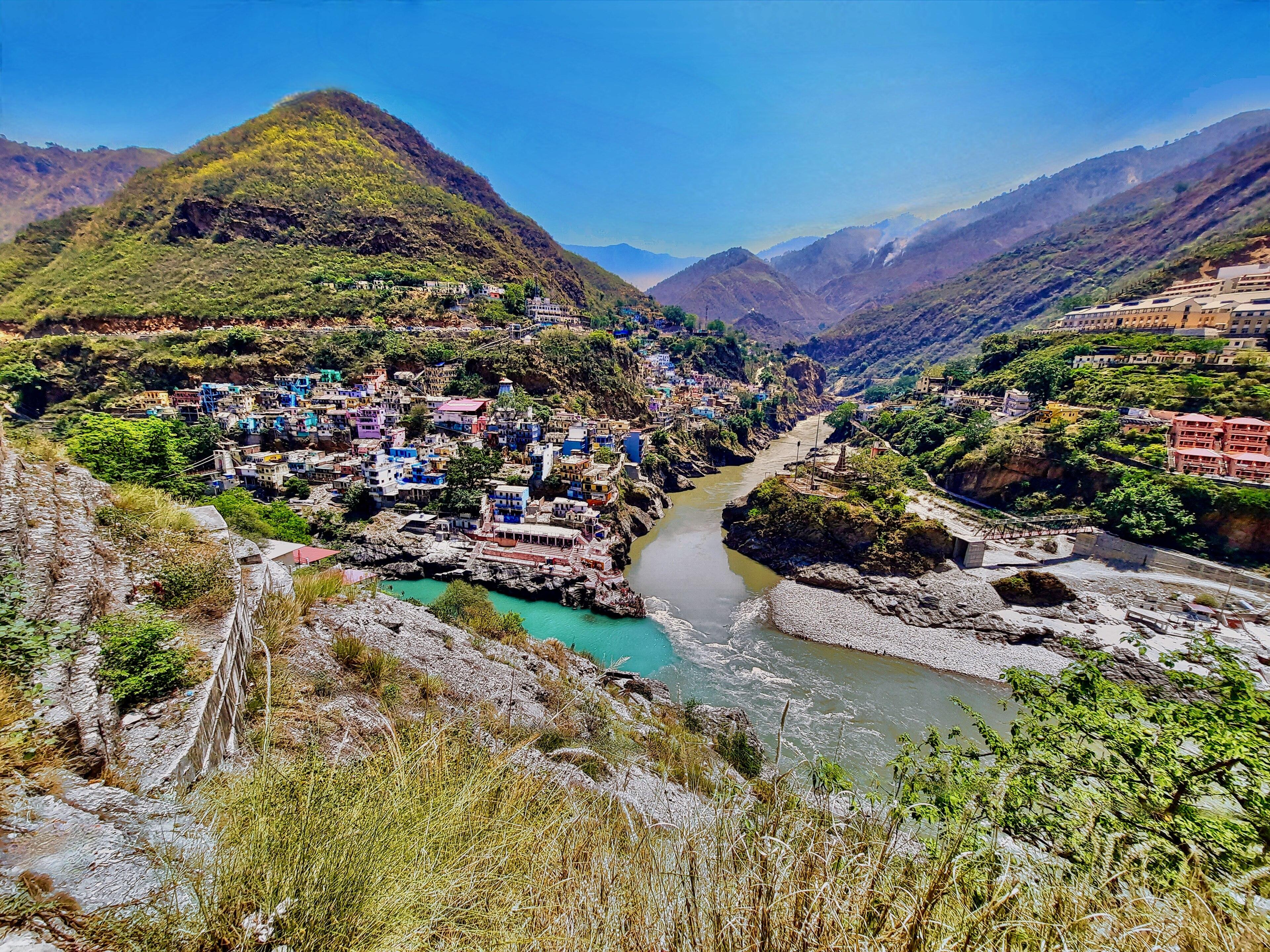
What can Himalayan rivers reveal about the land they cross?
Read river channels, confluences and exposed rock as a connected record of uplift, erosion and settlement across Uttarakhand.
Route: Rishikesh to Devprayag and the Alaknanda valley
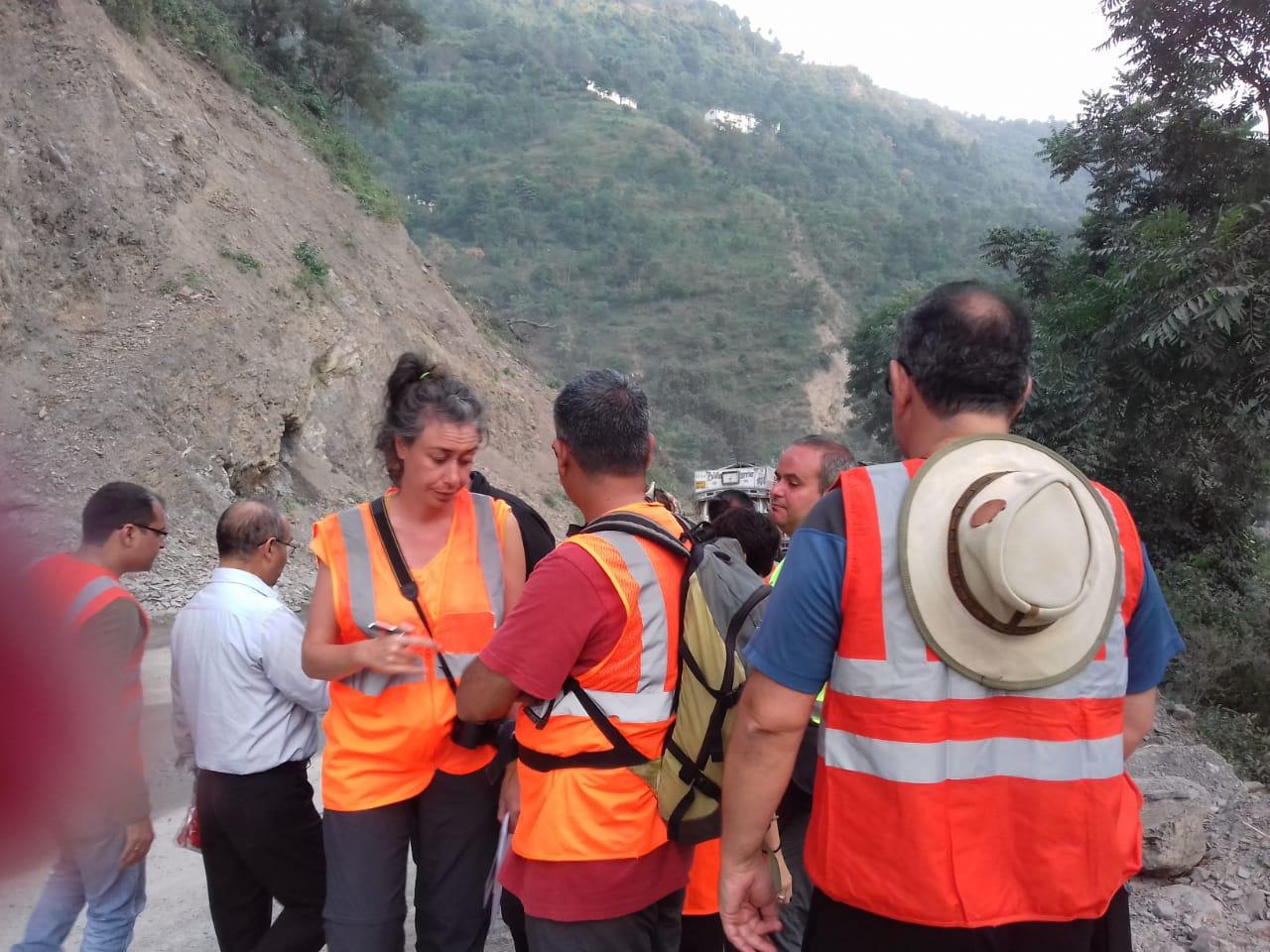
CIRCUIT 03
How do people build and adapt in an active landscape?
Examine roads, settlements, slopes and local decisions in a mountain system where geology remains visibly active.
Route: Rudraprayag to Chamoli and Joshimath
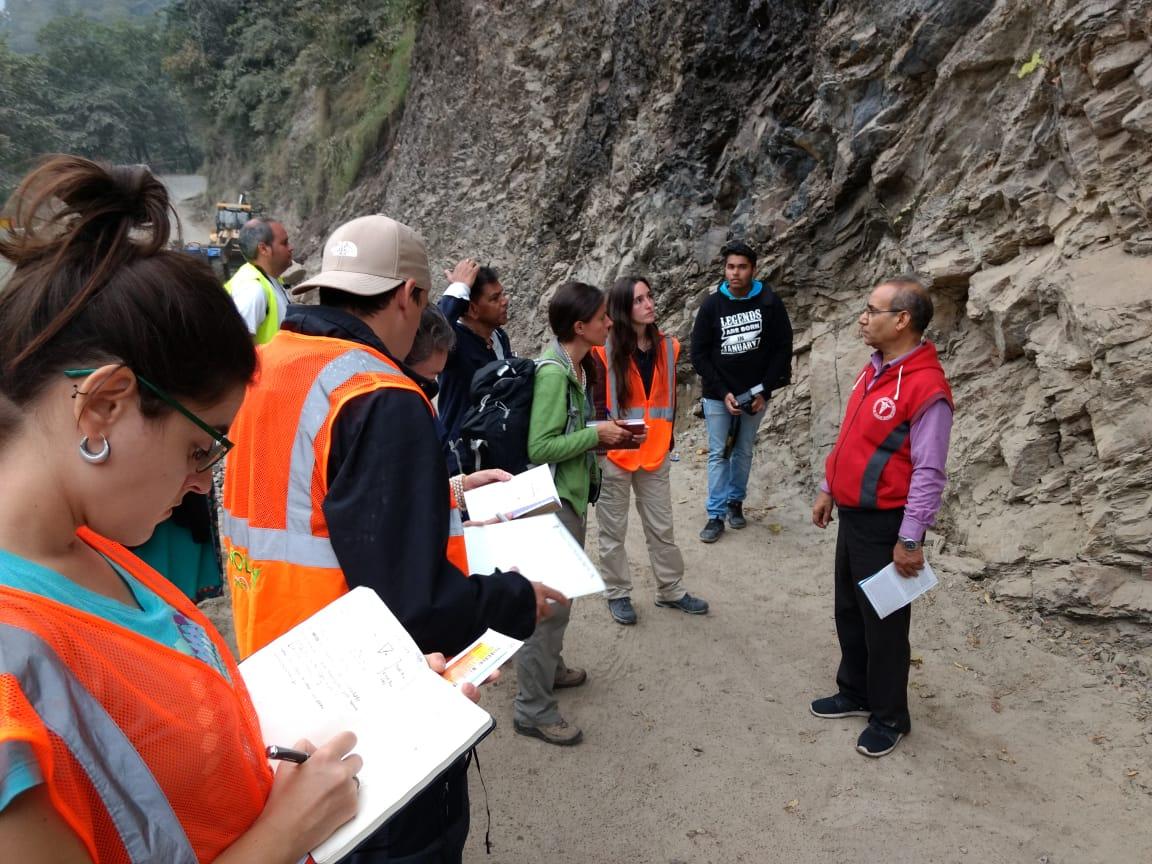
CIRCUIT 04
How does a changing cryosphere affect life downstream?
Trace the relationship between glaciers, seasonal water, river systems and the communities that depend on Himalayan sources.
Route: Upper Alaknanda valley and accessible glacier-fed landscapes
Whether the subject is geology, ecology, communities or resilience, participants move through five connected stages that turn direct experience into understanding.
The question shapes the journey.
Each circuit begins with one central question. The route, experts, activities and field methods are chosen to help the group answer it.
What can we see directly?
Participants examine the landscape, ecosystem or community closely and identify the details that matter to the circuit’s central question.
What explains what we see?
Educators, field experts and local knowledge holders provide context that connects individual observations to a wider system.
What evidence can we record?
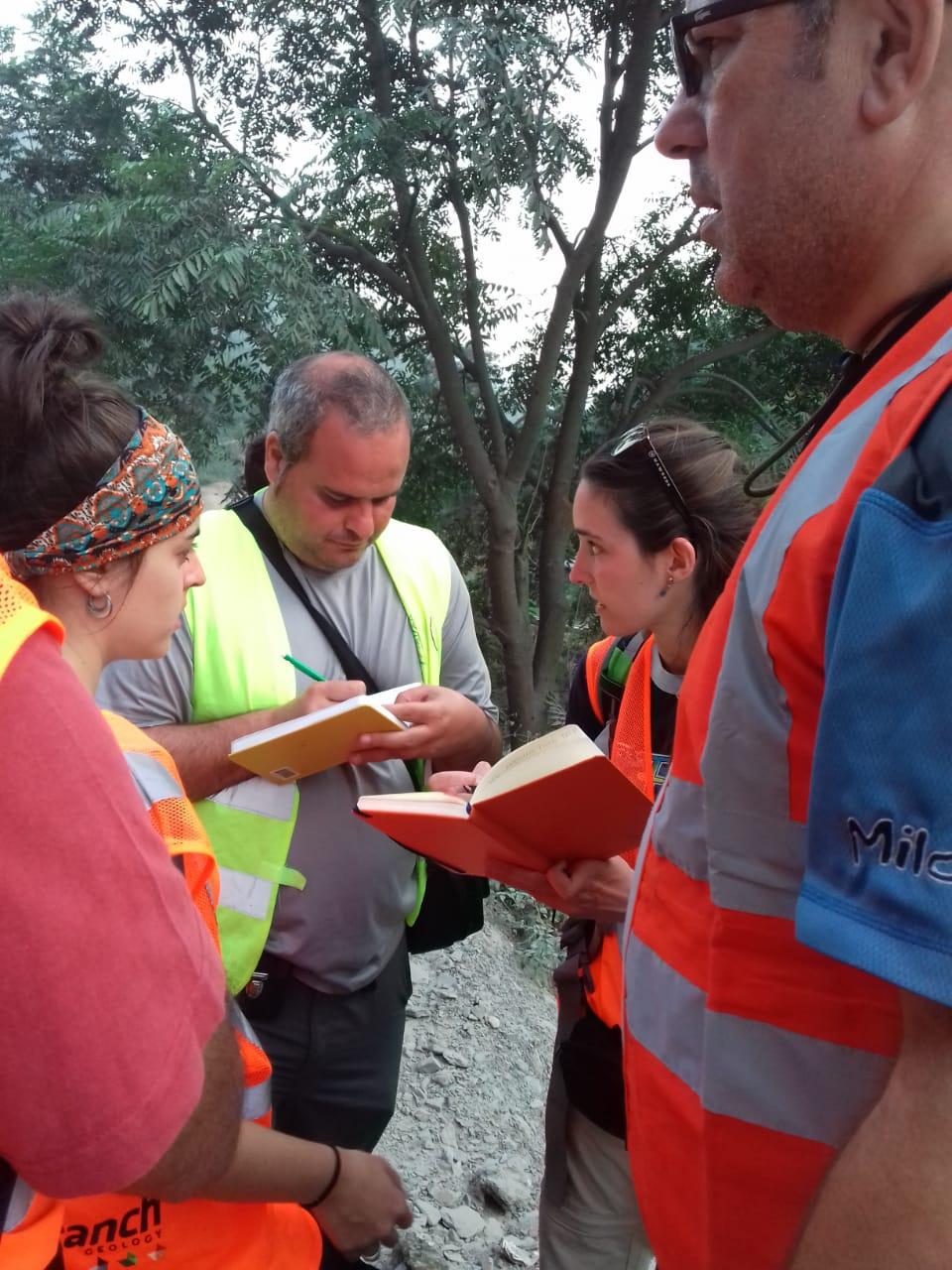
Field notes, photographs, maps and simple evidence-gathering methods help participants make patterns visible and test their understanding.
Whose experience adds perspective?
Conversations with communities and practitioners show how the subject affects everyday decisions, livelihoods and relationships with place.
What can the group now explain?
Participants connect their evidence, expert inputs and conversations, then present conclusions that answer the expedition’s central question.
The result
Participants leave able to explain the subject in their own words, supported by evidence they gathered and perspectives they encountered in the field.
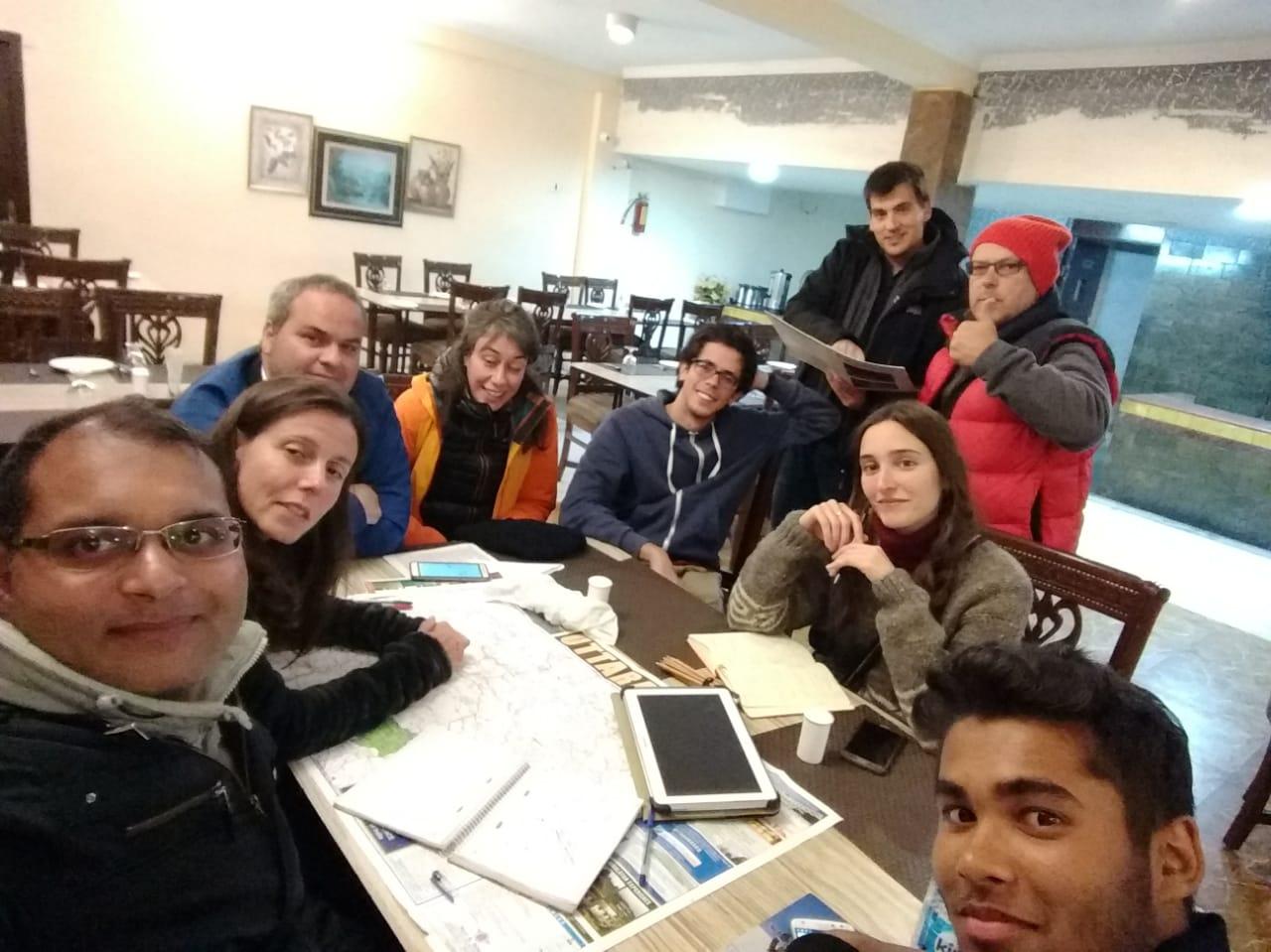
HOW WE PLAN YOUR EXPEDITION
First, tell us what your group should understand. We then choose the right places, activities and practical plan.
STEP 1
Share the subject, participant age and what you want the group to understand by the end.
STEP 2
We use one clear question to guide the visits, conversations and activities throughout the trip.
STEP 3
We choose the season, locations and route where the group can explore that question properly.
STEP 4
We bring together observation, expert guidance, note-taking and conversations with local people.
STEP 5
We arrange stays, meals, transport, group movement, safety needs and backup plans.
STEP 6
Participants turn what they saw and recorded into presentations, reflections and useful next questions.
Tell us what your group wants to learn. We will plan the expedition around it.
Design an expeditionWe bring the learning plan and the travel plan together. Each expedition is shaped around your subject, participant age, group size, timing and practical needs.
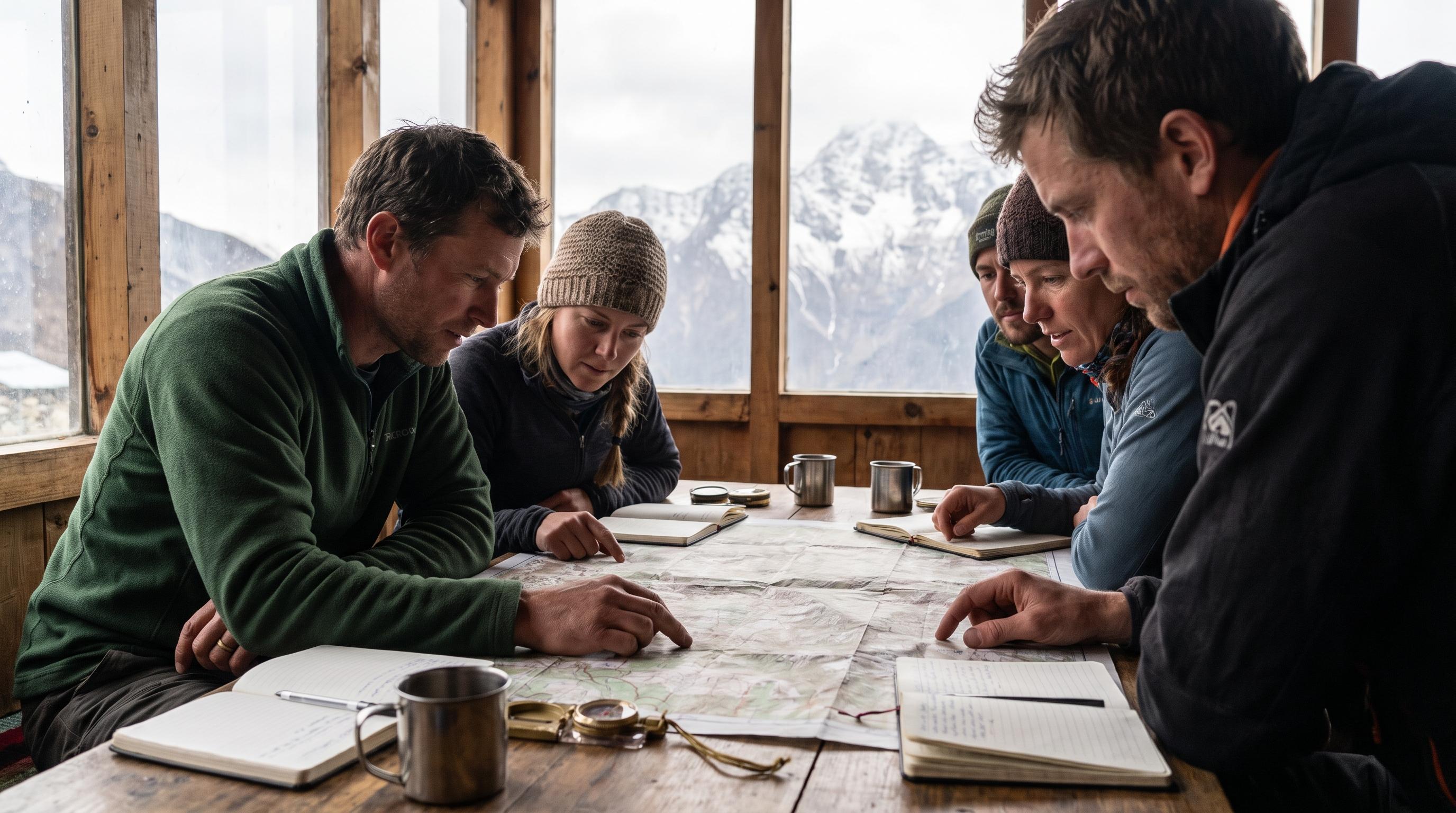
One learning goal guides the whole expedition.
The route, experts, activities and daily rhythm are chosen only after we understand what your group wants to learn.
We agree on the main question, curriculum connection and intended outcome before choosing the route.
Participants observe, map, document, meet experts and communities, keep notes and share what they learned.
Stays, meals, transport, group movement, safety needs and backup options are planned together.
What your institution can expect
Learning plan
Expert guidance
Field journals
Stays and meals
Transport and coordination
Reflection and presentations
A strong expedition protects learning time by planning the practical details properly from the beginning.
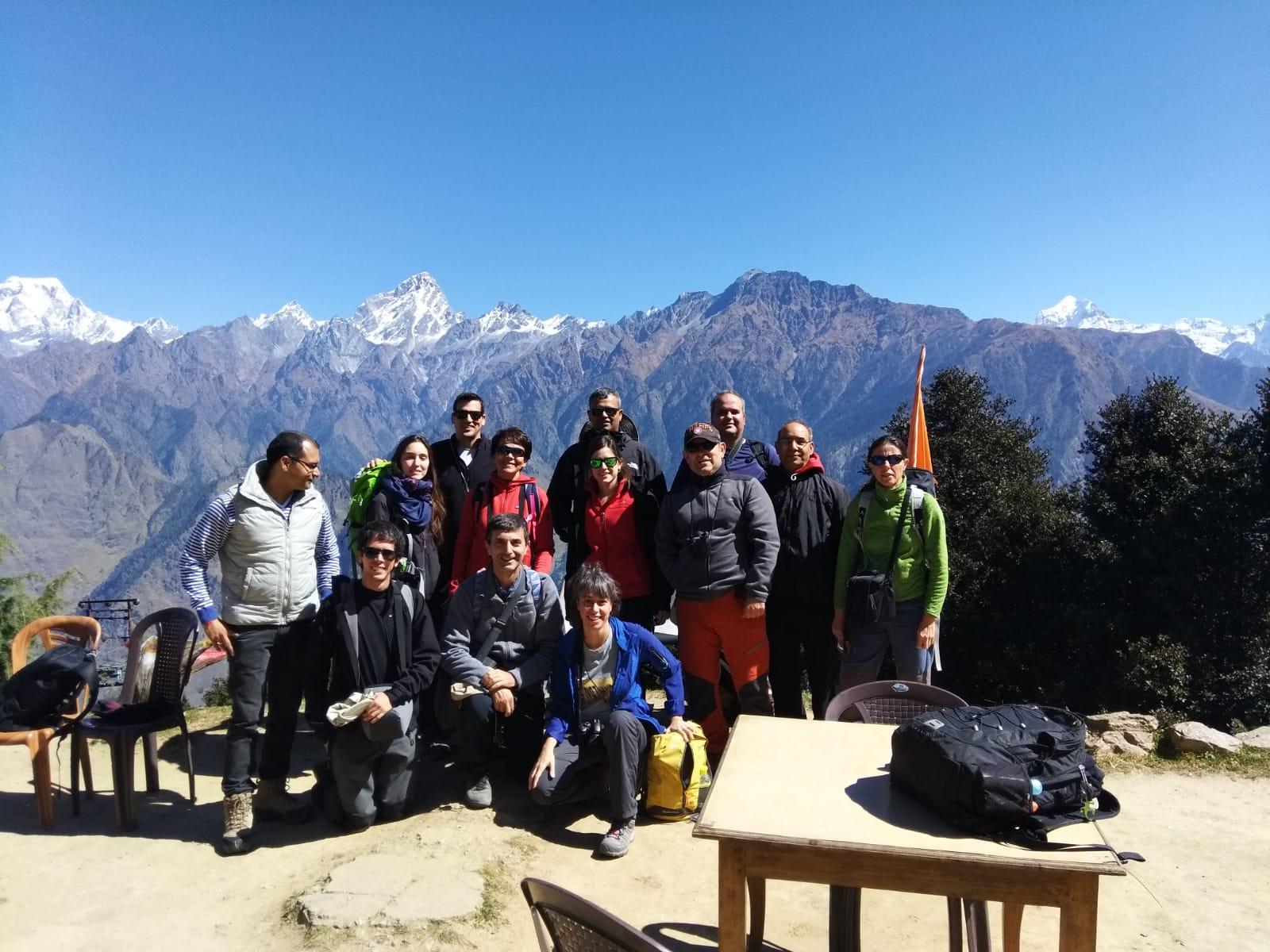
PLAN YOUR EXPEDITION
Tell us about your group, the subject and what you want participants to take home. We will help shape the right portfolio, circuit and route.
Routes, experts, stays, transport and on-ground delivery are planned together.
 Made with Levo